


Trueblood programs support the forensic behavioral health system in Washington state. These include competency evaluation and restoration services, diversion programs, jail technical assistance, and administrative support.
In partnership with the Washington State Health Care Authority, we also support people in the community involved with the forensic mental health system in accessing a variety of services, such as housing, transportation, independent living skills, and outpatient restoration programs.
In DSHS, we focus our efforts on two specific areas:
- Completing in-jail competency evaluations within 14 days of signature or receipt of a court order.
- Providing inpatient competency restoration services within seven days of signature or receipt of court orders.
Why This Matters
All people involved in the criminal court system have the constitutional right to assist in their own defense. For there to be a fair trial, a person charged with a crime must have the capacity to:
- Understand the nature of the proceedings against them
- Be able to assist their attorney in their own defense.
If either of these abilities seems to be impacted by a behavioral health condition, a defendant’s competency to stand trial may be raised, and an order for a competency evaluation is issued.
The court case is on pause while an evaluation is conducted to determine the defendant’s competency. If the court finds the person competent, the next step is to stand trial. If the person is deemed not competent, the court can order the defendant to receive services to restore competency.
The work to admit Washingtonians to inpatient competency services within seven days and to complete jail-based evaluations within 14 days is key to honoring and respecting each person’s constitutional rights.
The Department’s Role
The Department of Social and Health Services is responsible for providing competency evaluation and inpatient restoration services. We work to ensure our clients receive these services in a timely manner.
To date, the state has invested more than $2 billion to evolve the entire competency system to enhance services and expand inpatient bed capacity for forensic competency restoration services. To be successful, this work must focus on the greater mental health system (for example, services for those who are civilly committed).
Competency Evaluations and Forensic Evaluators
- Forensic evaluators assess the defendant to determine if the person is competent to stand trial. We have developed and strengthened existing partnerships with state agencies, law enforcement, city and county jails, courts, attorneys, and local providers to ensure improved coordination for conducting evaluations.
Competency Restoration
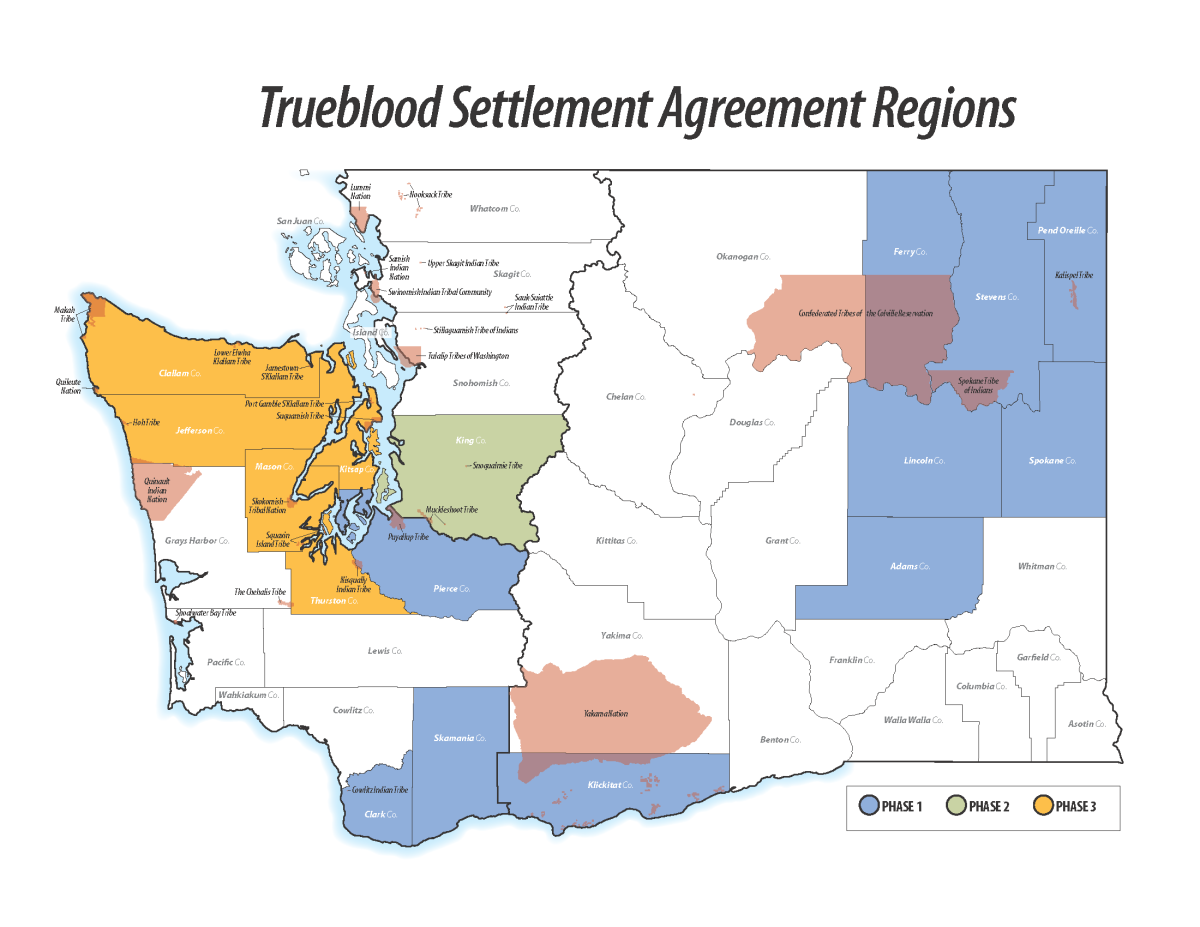
We offer two options for competency restoration: inpatient competency restoration at our state psychiatric facilities and outpatient competency restoration programs in the community. Outpatient competency restoration programs are available in the following counties: Adams, Ferry, Klickitat, Lincoln, Pend Oreille, Skamania, Spokane, Stevens, and Vancouver.
- Our forensic navigators offer the courts options for both diversion and restoration. If the court orders community-based restoration, a navigator will guide defendants through the process of receiving treatment in outpatient competency restoration programs and regaining competency in the community so they may stand trial. Services can include behavioral health, physical health, housing support, vocational support, and other as-needed services.
- We offer inpatient competency restoration at our state psychiatric facilities, to include Eastern State Hospital, Western State Hospital, and the Behavioral Health and Treatment Center – Steilacoom Unit.
- To help balance the inpatient system and allow bed space for forensic and civil patients, we focused on adding inpatient beds. As a result, we have opened a significant number of new beds at residential treatment facilities and have made additions and renovations at state hospitals. The following highlights the importance of right-sizing inpatient beds to include civil commitment services.
- In 2023, we opened the Olympic Heritage Behavioral Health in Tukwila. This acquisition enabled us to provide 72 new beds for people who have been civilly committed. As a result, the 72 vacated beds at Western State Hospital allow us to backfill with Trueblood class members as needed. In 2024 and 2025, we added beds at Eastern and Western State Hospitals and at the Maple Lane Campus. Furthermore, construction of a new 350-bed hospital on the grounds of WSH in Pierce County started in the fall of 2024.
Background
What is Trueblood
The Trueblood et al. v. Washington State DSHS lawsuit filed in 2014 challenged unconstitutional delays in competency evaluation and restoration services for people detained in jails.
The state is ordered to provide jail-based competency evaluations within 14 days and inpatient competency evaluation and restoration services within seven days of court orders and is fined by federal and local courts when those deadlines are not met.
We worked with plaintiffs to develop a Contempt Settlement Agreement that established a plan to provide services to people involved in the criminal court system, thereby reducing their likelihood of future involvement. This agreement is an opportunity for DSHS to take action to resolve issues raised in the lawsuit.
Timeline
- July 1, 2019 – Implementation of the Trueblood Contempt Settlement Agreement began.
- July 1, 2019-June 30, 2021 | Phase 1 programs and services were rolled out in Pierce, Southwest, and Spokane regions.
- July 1, 2021-June 30, 2023 | Phase 2: Programs and services were rolled out in the King region.
- July 1, 2023-June 30, 2025 | Phase 3: Programs and services were rolled out in Thurston-Mason and Salish regions, and expansions were done for Phases 1 and 2.
- July 1, 2025-June 30, 2027 | Phase 4: Focuses on enhancing existing Trueblood programs in 16 counties and adding treatment capacity.
Find Out More
Sign up for our Trueblood listserv to receive regular updates.